
Melting Furnaces
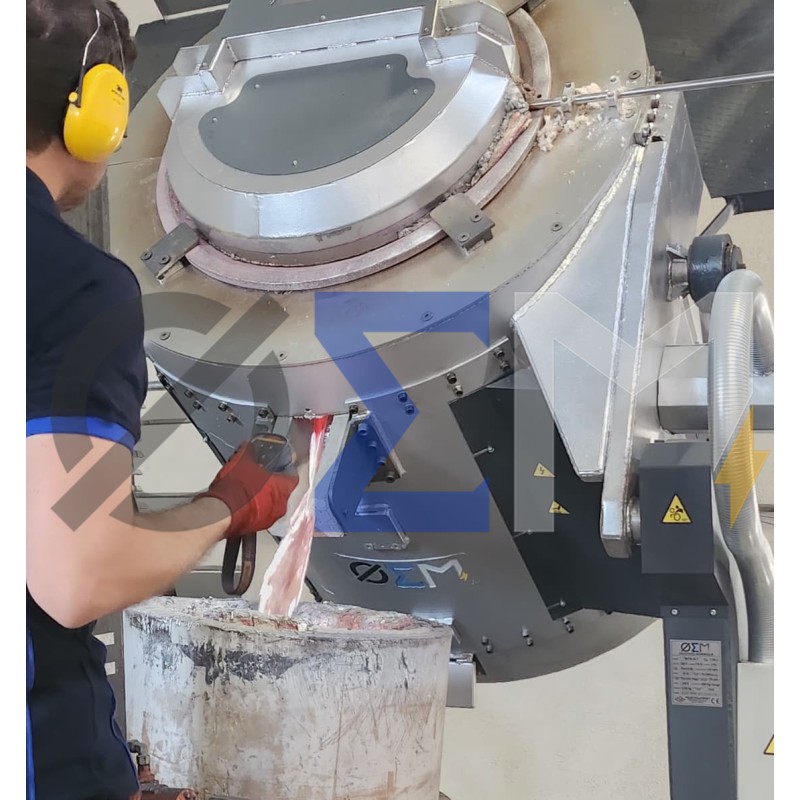
Melting Furnaces
Melting furnaces are industrial furnaces designed to melt raw materials (such as metal scrap, ingots, alloy elements, etc.) at high temperatures, transforming them into liquid metal. They are fundamental equipment in the metallurgy and casting industries, with various types available to suit different metal types and production needs.
Here are the core features and functions of melting furnaces:
-
Primary Function: Metal Melting: Their main purpose is to melt solid metals (or alloy components) to obtain suitable liquid metal for subsequent casting or other processing operations.
-
High Temperature Capability: Since metals have very high melting points, melting furnaces are equipped with powerful heating systems capable of reaching very high temperatures (e.g., above 1500°C for iron and steel, around 700°C for aluminum).
-
Diverse Heating Methods:
-
Induction Melting Furnaces: Generate heat by inducing currents in the metal using electromagnetic fields. They offer clean and rapid melting due to the absence of contact and high efficiency. Commonly used for iron, steel, and precious metals.
-
Arc Furnaces (Electric Arc Furnaces - EAF): Generate heat through an electric arc created between electrodes. Used for melting large quantities of steel scrap and can reach extremely high temperatures.
-
Crucible Melting Furnaces: Typically fuel-fired (gas or other fuels). The metal is melted inside a refractory crucible. They may be preferred for smaller capacities and specific alloys.
-
Reverberatory Furnaces: Transfer heat by passing a flame over the metal. Commonly used for aluminum melting and holding operations. They can have large capacities.
-
-
Capacity Range: They come in a wide range of capacities, from small laboratory-scale furnaces to massive industrial furnaces capable of melting hundreds of tons of metal.
-
Fast and Efficient Melting: The goal is to melt the metal as quickly as possible and bring it to the desired temperature with minimal energy cost.
-
Metallurgical Control: During melting, alloy elements can be added or slag management performed to control the chemical composition and purity of the metal.
-
Safety: Due to the hazards of high temperatures and liquid metal, melting furnaces are equipped with strict safety protocols and mechanisms (cooling systems, pouring mechanisms, emergency shutdown systems).
-
Application Areas: They are used in numerous fields, including the iron and steel industry, aluminum production, foundries, recycling facilities, and alloy manufacturing.
Melting furnaces are a cornerstone of modern industry in metal production and processing.
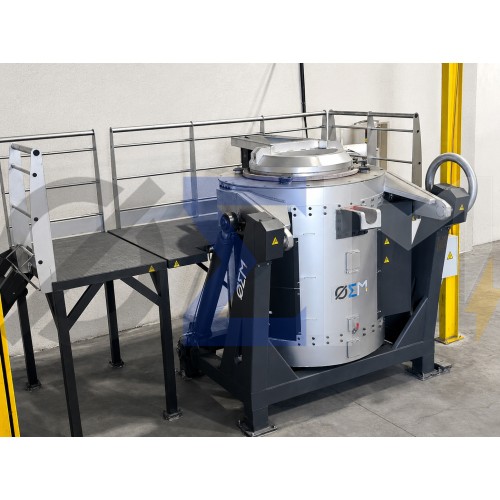
800 Kg Electric Tilting Crucible Furnace
The 800 Kg Electric Tilting Crucible Furnace is designed for high-capacity aluminum melting operatio..
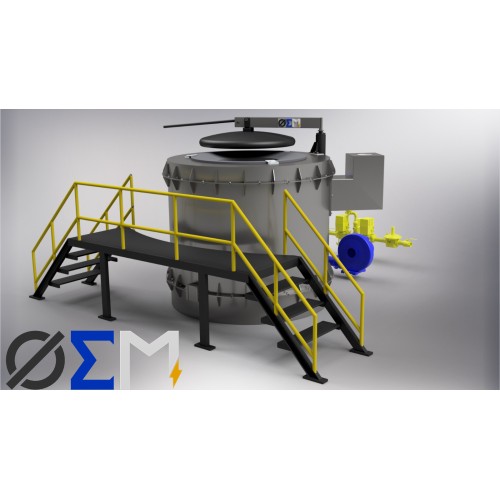
800 Kg Natural Gas Fixed Type Aluminum Melting Furnace
The 800 Kg Natural Gas Fixed Type Aluminum Melting Furnace is engineered for large-scale foundries a..
800 Kg Natural Gas Tilting Crucible Furnace
The 800 Kg Natural Gas Tilting Crucible Furnace is designed for high-capacity aluminum melting using..
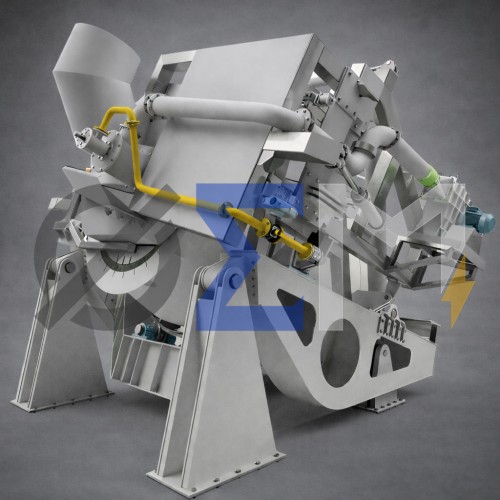
5 Ton Rotary Tilting Aluminum Melting Furnace
The 5-ton rotary tilting aluminum melting furnace is designed for high-capacity aluminum foundries r..